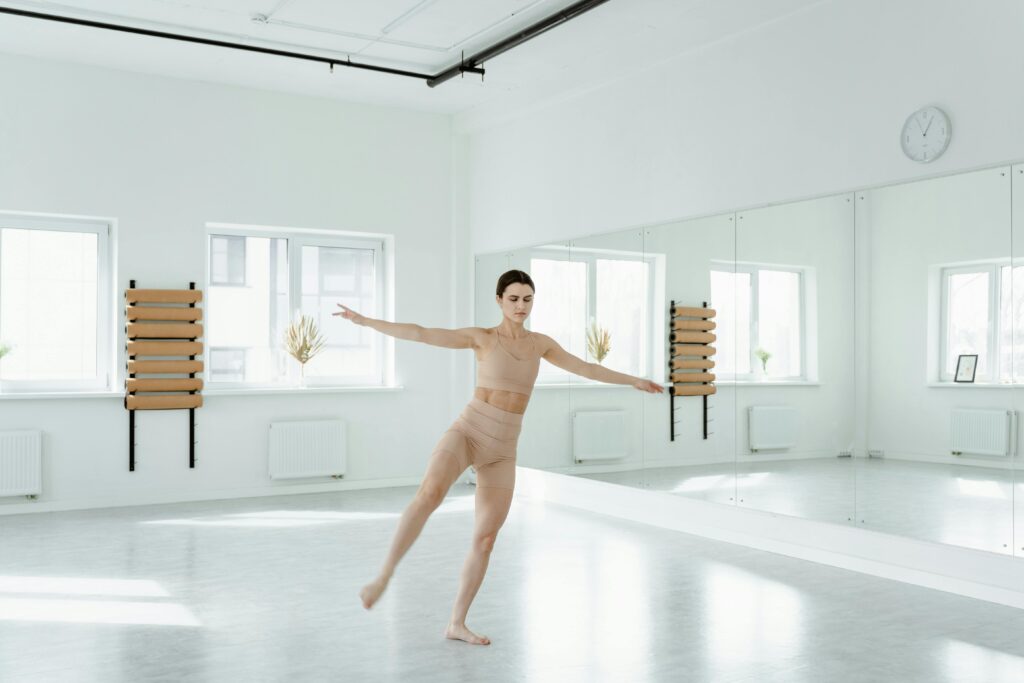
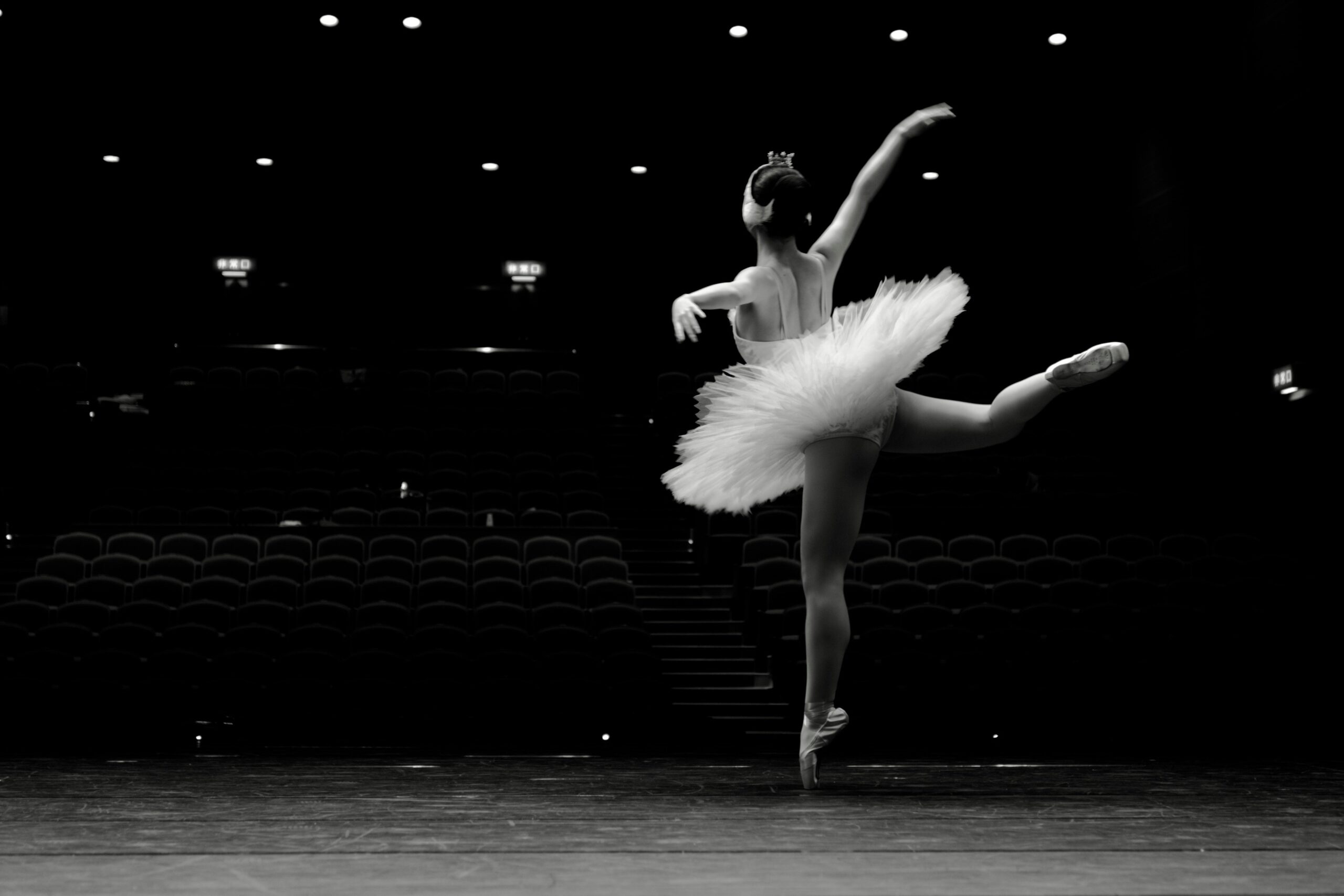
One of ballet’s most famous and spectacular movements, the grand jeté, appears to defy gravity. A powerful mid-air split that, when performed with poise and control, commands respect and attention.
Many dancers are unaware that mastering the grand jeté ballet technique calls for more than just a powerful jump. When it’s properly developed, some muscle groups that are occasionally overlooked in traditional ballet training can greatly increase your jump’s height and control.
Come along as we explore the frequently overlooked body parts that can improve your grand jeté and offer exercises and advice supported by experts to help you get there. These insights are your hidden weapon, whether you’re practicing alone or participating in our live member classes.
Why the grand jeté demands more than just leg power
A grand jeté isn’t just about doing a split in the air. It’s all about the flow, the momentum, the take-off, control mid-flight, and a soft landing. It demands a lot of control and the coordination of multiple muscle groups, some of which are easily neglected. While most dancers choose to focus on flexibility and leg strength, the following muscle groups are just as essential and often forgotten:
1. Glutes and hamstrings
Controlling the take-off and landing without strong glutes is near to impossible, you can lose stability, and the jump may look heavy rather than airy. It’s also recommended that strengthening them through sauté-to-demi-plié transitions that train the legs for safe and powerful propulsion.
2. Core muscles
A powerful core is key to every element of ballet, but especially for jumps. It keeps your body aligned in mid-air and helps you land gracefully. Core strength enables your limbs to move with precision and safety. For dancers wondering how to improve grand jeté technique, targeting your centre is essential.
3. Hip flexors and deep rotators
These smaller, deep muscles affect turnout, extension, and height. In a grand jeté, they help control the positioning of the back leg, making the leap look long and light.
4. Feet and ankles
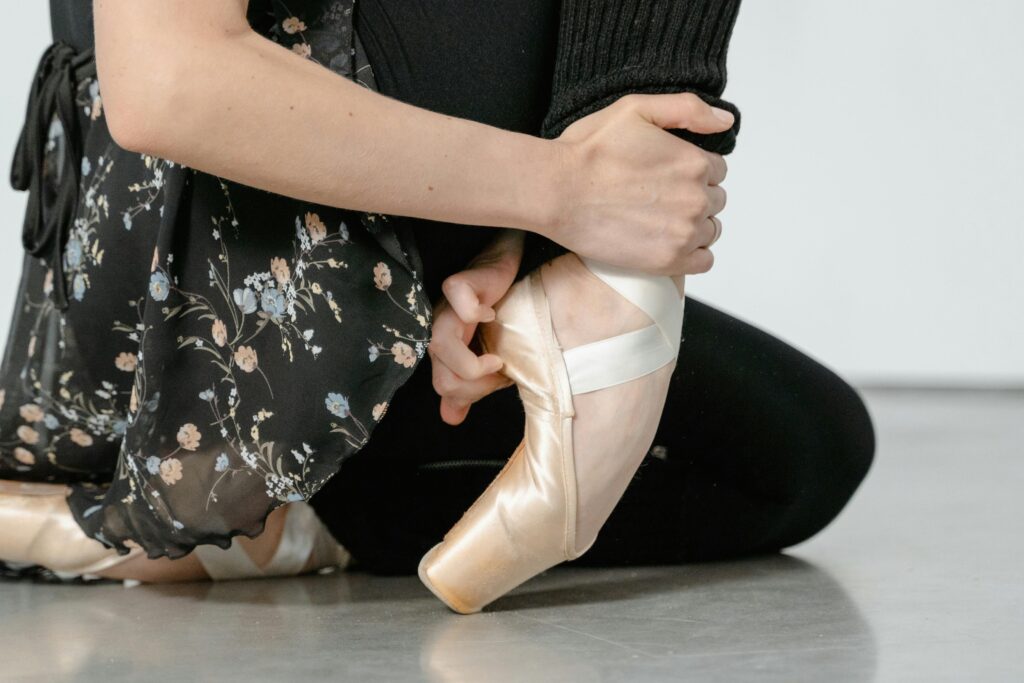
At take-off, the foot is the last point of contact with the floor, and the first upon landing, so strong feet and mobile ankles are imperative and allow for a powerful push and a soft, calculated landing.
Tips to instantly improve your grand jeté
Need to know where do you begin if you want to see improvement right away? Here are a few practical tips:
- Try to engage your core before every jump; it will provide stability and channel energy through your other working limbs.
- You should use a proper preparatory step, something like a glissade or short run, to build the necessary momentum to make the jump.
- Focus on the back leg. It gives you power for the lift. Pushing through the back foot ensures maximum height.
- Visualise the apex. Try to hit your fullest split at the very top of your jump for that stunning visual impact.
- Land with grace. A true grand jeté is not just about the leap but the seamless return to the floor. Remember when you land, that it’s toe, ball, heel.
Exercises to strengthen your grand jeté
It’s all about practice; targeted drills are designed to break down the grand jeté into manageable portions that will help you build strength, gain control, and maintain flexibility. Try adding these exercises into your weekly routine:
Sauté to demi-plié
Start in first position. Step forward with your working leg to cou-de-pied, perform a small sauté, then land in demi-plié. Engage glutes and hamstrings to control the descent. Repeat x4 on each side.
Lunge jump
Begin in a deep lunge, then drive your back leg into a hop. This develops strength in the supporting leg and helps improve explosive power during take-off. Focus on control during the landing.
Lunge with knee drop
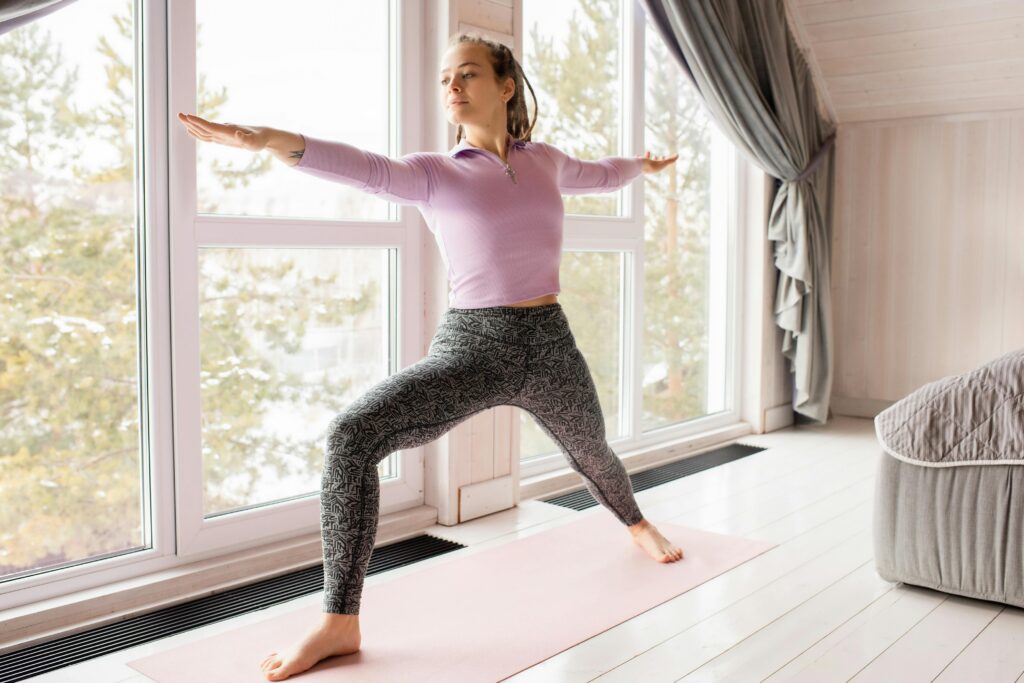
In a low lunge (back knee touching the floor), use your toes to lift the knee while keeping the back extended and turned out. This stretch builds mobility in the hip flexors and strengthens turnout in the back leg.
Demi-plié rise with arms
From first position, plié and rise into relevé while bringing the arms to first arabesque. This builds arm-leg coordination, essential for achieving harmony in the air.
Flexibility – Still crucial
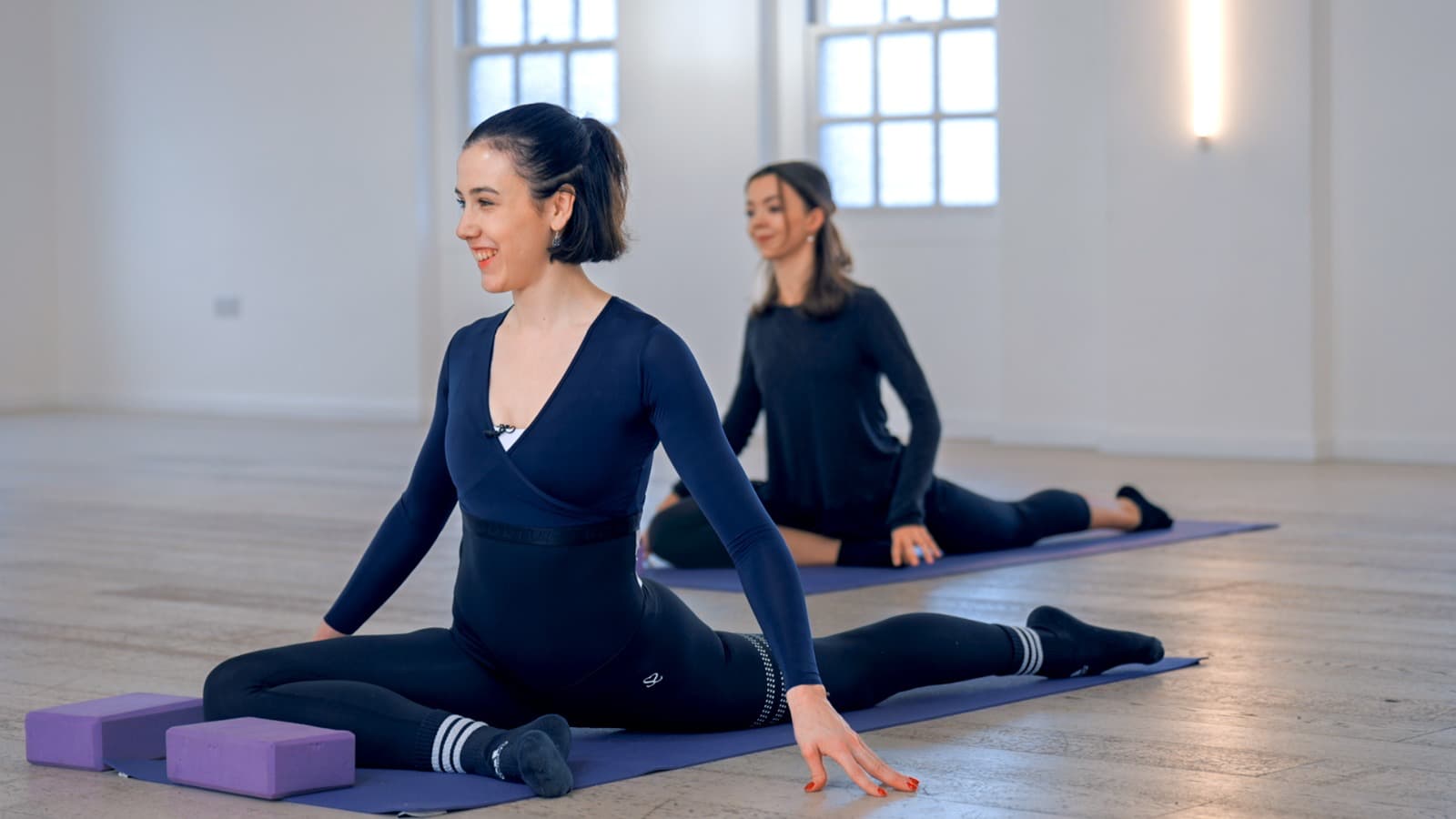
While strength may be a major factor in learning this leap, your flexibility remains a non-negotiable part of all ballet jumps. For this mid-air split to truly shine, your daily stretching is essential. Doing routines that target muscles like hamstrings, glutes, and hip flexors will make all the difference. Keep in mind that classics like tendu jeté and deep pliés also help develop the range of motion required for a successful grand jeté.
What to wear matters too
A well-rehearsed jump can be hindered by poor clothing choices, a silly thing to let get in the way of your art and progression. So, wear something fitted and stretchy so your movement isn’t restricted. Choosing light and breathable fabrics that allow full mobility. You don’t need to be in pointe shoes to practise, but proper ballet shoes will help with grip and articulation.
Start today with Ballet with Isabella
Improving your grand jeté doesn’t require expensive equipment or extreme training hours. What it does require, however, is commitment to strengthening your entire body, practising the right technique, and paying attention to your breath and alignment.
For additional expert resources, visit the collection of Isabella’s tips, or if you have specific questions, feel free to contact us directly.
A grand jeté may be one of the most spectacular ballet jumps, recognisable even to non-dancers, but it doesn’t need to be a mystery. With attention to your overlooked muscle groups, doing the right exercises, and some artistic flair, you can master this movement and leave the audience breathless.