Why male voices in ballet matter
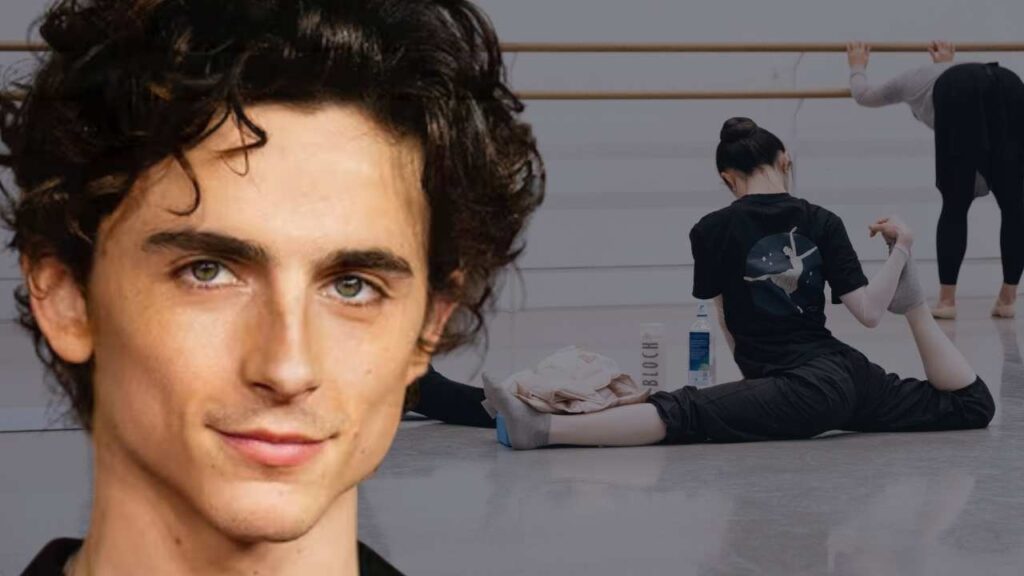
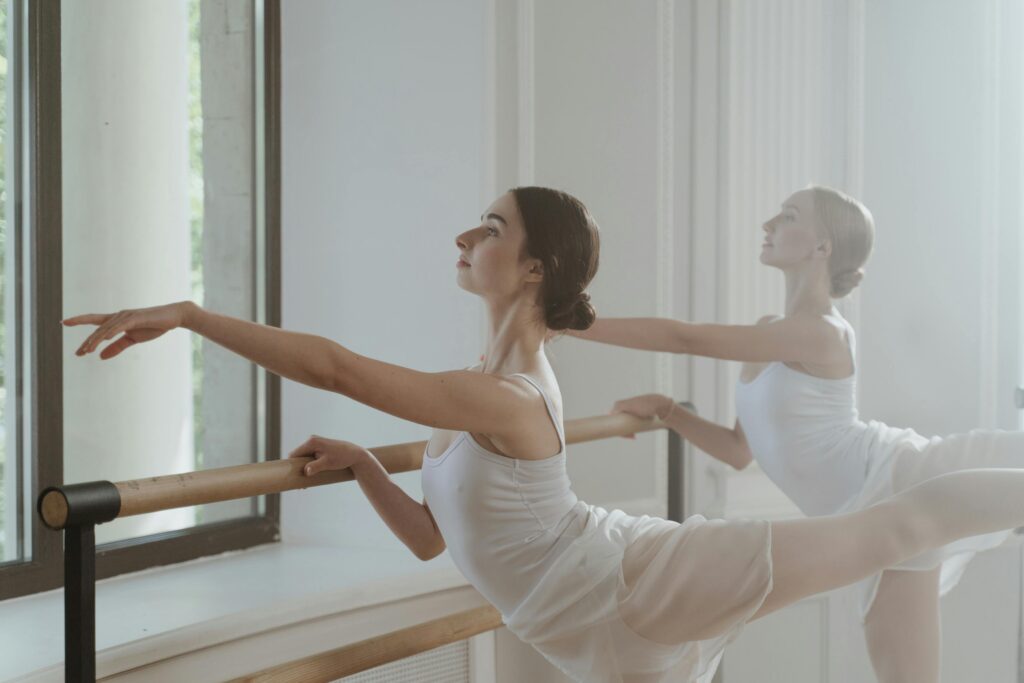
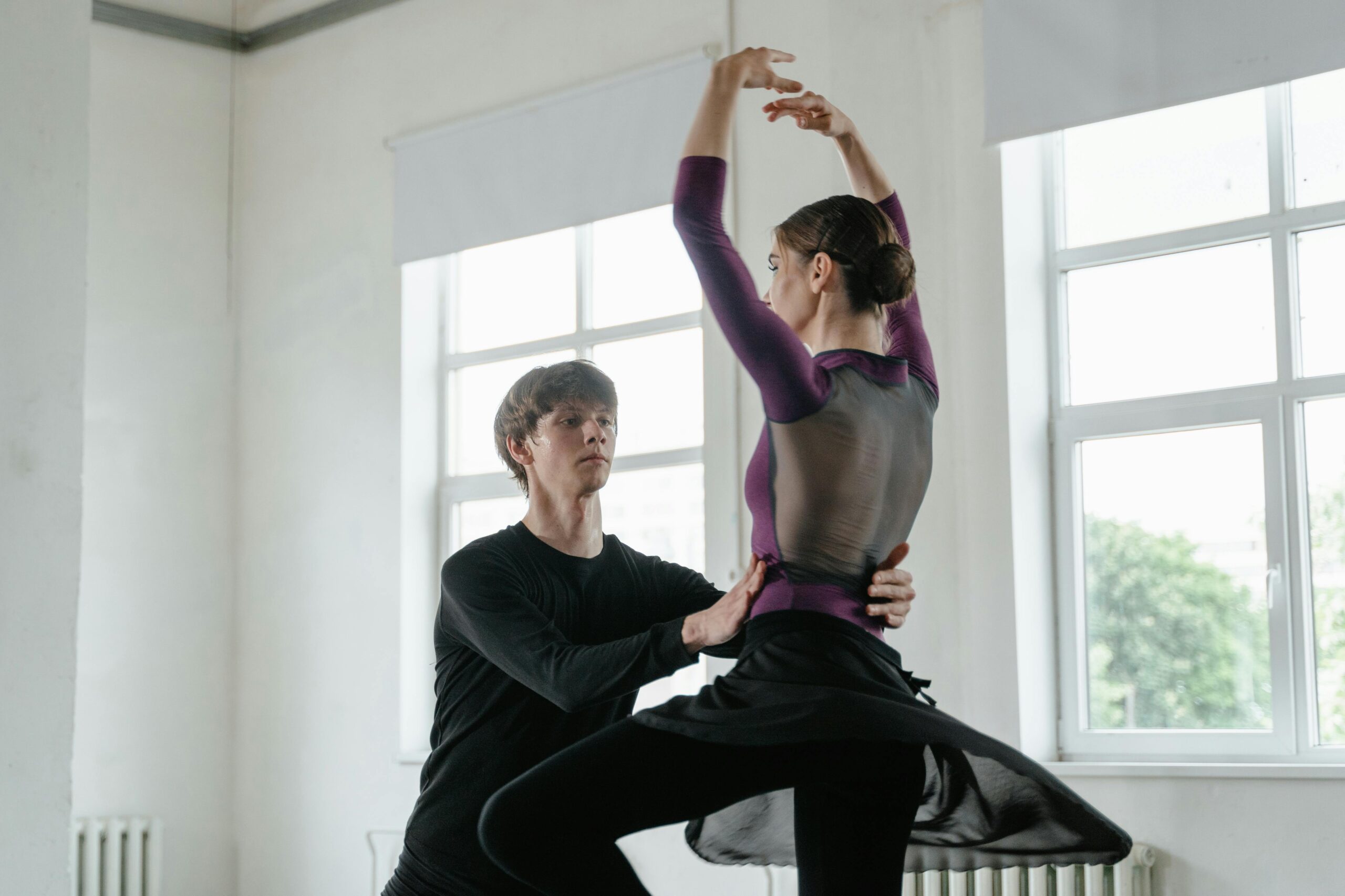
Ballet has always had a limited vision in the public imagination, tutu-clad ballerinas, adorable style, and a women’s dance form. But anyone who has ever been inside a studio or in the theater knows that men have long been part of the history of ballet. A male ballet dancer is far more than a background figure. He brings energy, strength, and his own artistry to the stage.
Male voices in today’s ballet are louder than ever before. Boys’ and young men’s tales of entering studios are changing minds, destroying old stereotypes, and opening the doors for the next generation. It’s about showing that ballet is not only inclusive to all, but also improved with a variety of different voices.
A brief history of men in ballet
If you trace the history of ballet back to its earliest days in the French and Italian royal courts, men were the stars. Male dancers were revered for athleticism, theatricality, and noble demeanor. Then, during the Romantic period of the 19th century, women ballerinas were ascendant in the popular imagination. Nevertheless, men like Vaslav Nijinsky, Rudolf Nureyev, and Mikhail Baryshnikov kept the male dancer’s virtuosity in the public eye, but stereotypes also took root in their wake.
Now, men’s role in ballet is evolving once again. Increasingly, schools, companies, and teachers are providing boys with their rightful place in class without fear of mockery, continuing the centuries-old tradition of men shaping the art and heritage of ballet.
Common stereotypes and misconceptions
Despite progress, male ballet dancers are still subject to vestige stereotypes. Ballet is sometimes unfairly stereotyped as “unmasculine,” ignoring the tremendous strength, discipline, and endurance it demands. A male ballet dancer is reduced in the popular mind to his ability to lift, and not to his artistry, his acting, and his musicality.
These presumptions have the potential to make an individual nervous and resistant towards stepping into a studio. But with an increasing number of voices being raised against such perceptions, it is evident that ballet, as an art form, benefits from the addition of individuals who are not afraid to take their authentic selves onto the floorboards.
Why representation is important for male dancers
Representation matters. Watching other male ballet dancers can be the difference for a young boy contemplating his very first plié. Visibility makes joining seem acceptable, breaks stigma, and shows that dancing is for everyone.
As boys look at dancers like themselves, from tattooed teachers to globally recognised performers, they realise that there is more than one way to be in ballet. That sense of ownership empowers them and enables ballet to keep growing in diversity, imagination, and authenticity.
For individuals seeking the mindset one must have to enter this world, Isabella’s podcast on self-doubt and mindset is an important resource. It’s a reminder that representation and belief are two things that exist hand in hand.
Building a supportive ballet community
Community is the strongest antidote to stigma or loneliness. Many boys find their niche with the assistance of supportive teachers, tolerant classmates, or cyberrings in which they can define themselves without criticism. In a small-town shop or web forum like Ballet With Isabella, acceptance builds bridges.
A supporting community is not about technical advancement, it’s about feeling able to grow in a safe environment. For instance, Isabella’s beginners guide to ballet as an adult leaves no doubt that there is room for everyone, whatever your age, gender, or prior experience. In welcoming that same message to boys and men, ballet becomes entirely accessible to everyone.
Role models and sources of inspiration
Every generation will have its pioneers. From Nijinsky leaping onto the international scene to today’s superstars shattering the glass ceiling of possibility for ballet, pioneers have been a vital component in paving the way for others to follow. Role models like Jacc Batch, who introduces over 100 boys to his classes, illustrate the power that visibility and comprehension hold. Peruvian dancer Samir Bellido has spoken about overcoming and winning out against stereotypes and has shown the power of persistence.
At Ballet With Isabella, you’ll also find inspiring voices through interviews with professionals like Victor Caixeta and Merritt Moore. Their journeys highlight that no two paths are the same, and that diversity of experience enriches ballet for everyone.
How teachers and institutions can encourage inclusivity
Schools and teachers are educating the next generation. Inclusion is not something that happens, but something that is actively decided upon. It may involve engaging boys in demonstrations and not isolating them, including photographs on studio walls that are representative, or co-mixing classes so everyone feels they are worth it.
There needs to be feedback, too. Allowing individuality, as opposed to putting students into stereotypes, allows artistry to appear. When talking about the qualities of being a ballerina, as Isabella does within her Q&A on success as a ballerina, attitude and determination are central. The same applies when instilling confidence in young male dancers.
Inclusiveness also occurs when navigating difficulties in the community. Sessions such as Isabella’s guide on how to handle jealousy show that studios can develop healthy, positive environments for all.
The role of training and physical preparation
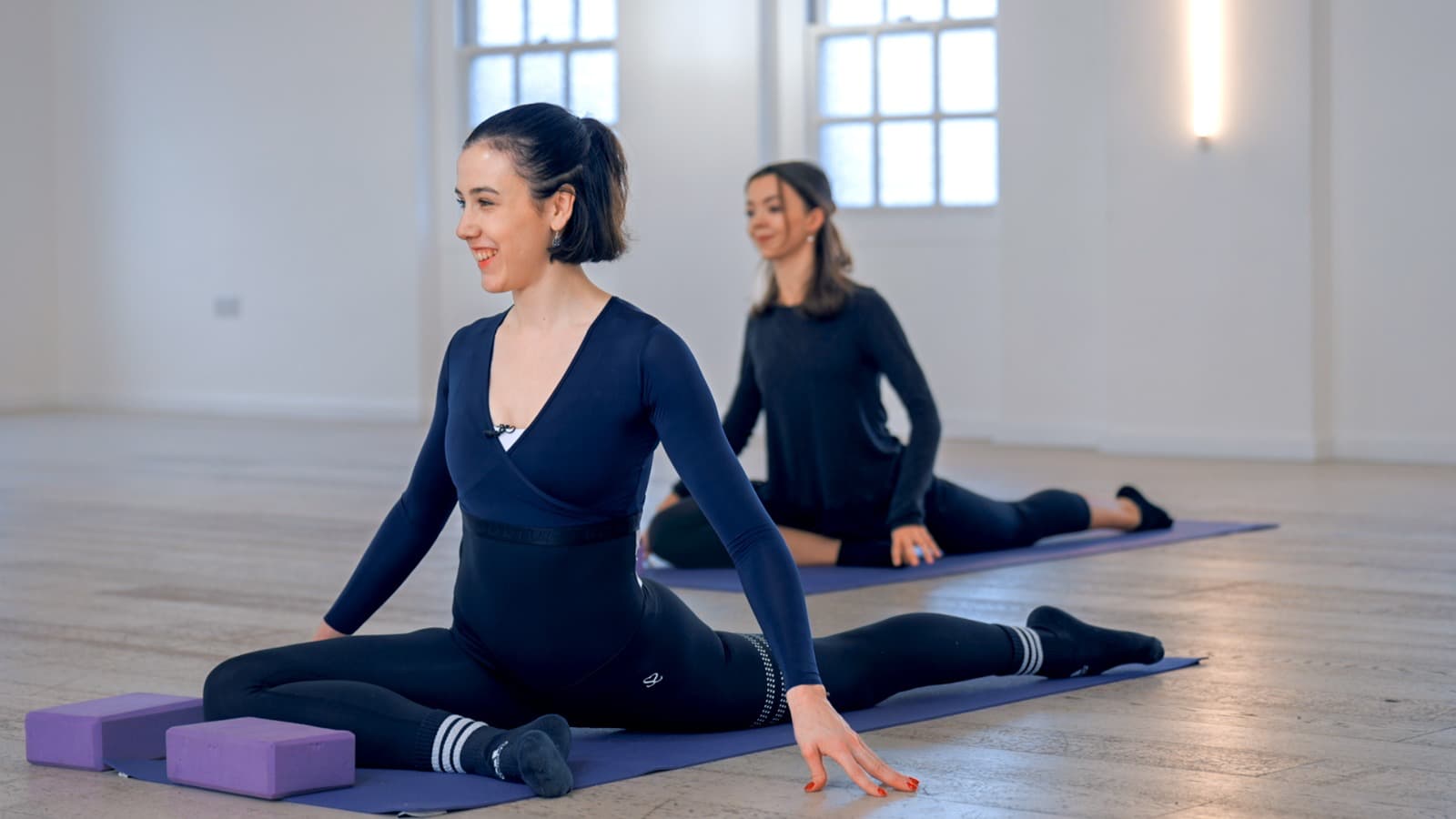
Similarly, just as women dancers attain strength and endurance, men can as well through some training techniques. An excellent male ballet dancer training program integrates traditional technique and conditioning with an emphasis in the direction of longevity and prevention of injury. Concurrently, a correctly balanced male ballet dancer workout routine could work on the particular stresses placed upon the male body, jumps, partnering, and sustaining endurance.
Most importantly, training is centered on the individual. With sensitivity to diverse bodies, capabilities, and experiences, ballet can foster artistry and health.
Towards a more inclusive future in ballet
The journey to inclusivity is a long one, but always in the right direction. Breaking stereotypes doesn’t just serve one dancer, but serves all. In inviting male dancers to studios and on stages, ballet is enriched with greater creativity, authenticity, and access.
To any man or boy searching for ballet, know that there is room for you here. Your imagination, uniqueness, and courage contribute to this art. Should you find yourself needing assistance, camaraderie, or motivation, Ballet With Isabella has tools like the benefits of online ballet lessons to help you find your space.
Together, if we appreciate all and every dancer, we can create a ballet world where stereotypes cannot prevail and community brings everyone up higher.