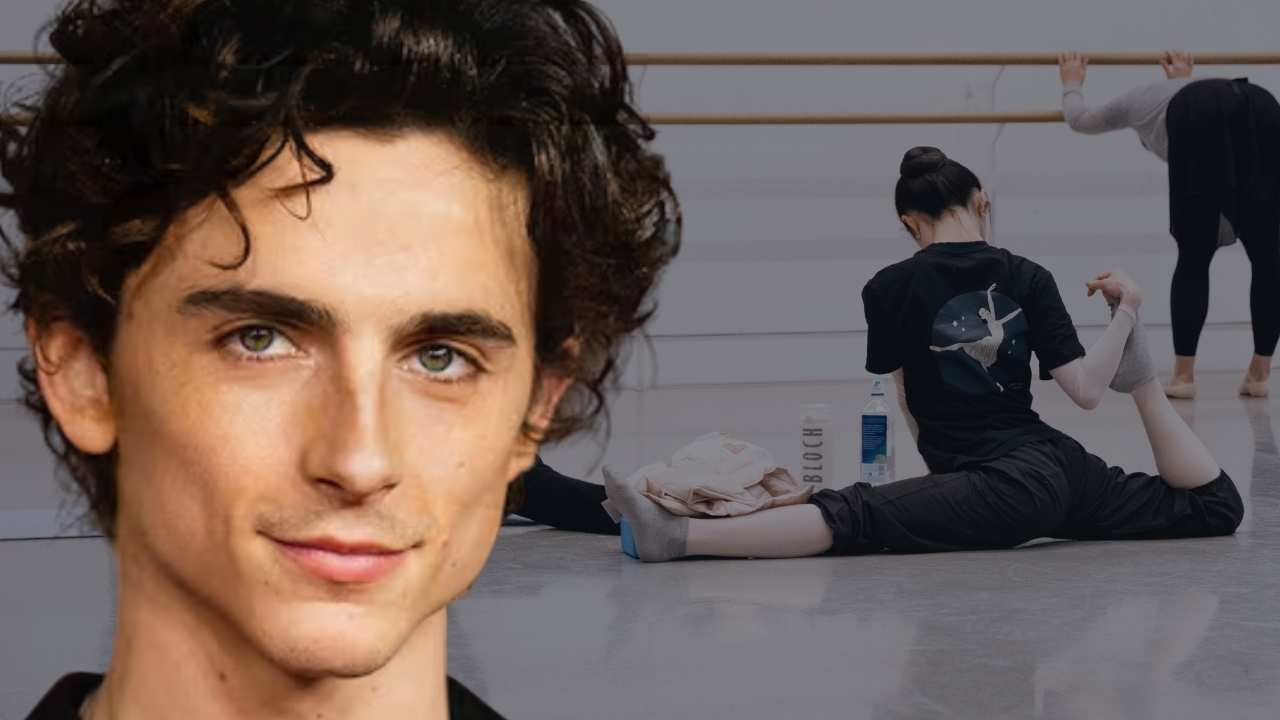
When Timothée Chalamet remarked that ballet and opera are artforms that need to be kept alive even though nobody cares about them, the comment sparkedan immediate response and the wave of defense that followed was striking. Artists, institutions, and audiences rushed to reaffirm the value of ballet and opera, and the solidarity was genuinely moving. Yet the intensity of this reaction also reveals something worth examining.
As dancer and writer Anna Morgan observed in response to the debate, it can feel unsettling to see individuals and organizations speak so loudly in defense of ballet against an external insult when many of those same voices have previously remained silent — or diplomatically cautious — about some of the industry’s very real internal problems. Why, she asks, are we sometimes louder about defending ballet from criticism than we are about addressing the harm that can exist within the art form itself?
This question touches on something deeper than a single celebrity comment. Ballet does not need to be protected from irrelevance — theatres continue to fill, and the art form has survived for centuries. But it does need honest examination. The real challenges facing ballet are rarely dismissive remarks from outside the field; they are the difficult conversations emerging from within it: questions about representation, power structures, harmful stereotypes in repertoire, and the lived realities of dancers working inside these institutions. These conversations are far more complex than a viral comment, and far less comfortable to confront publicly.
Chalamet’s comment does raise another interesting question — one that would be unfortunate to overlook: not whether ballet is a dying art form, but how it positions itself within contemporary culture. The discussion surrounding his remarks highlighted a recurring perception: that ballet exists on the margins of cultural life — admired and respected, yet rarely central to everyday conversation. Ballet’s survival is unquestioned, yet its visibility and cultural relevance remain ongoing concerns.
Ballet occupies a curious position today: historically foundational, yet culturally peripheral. Ballet is both one of the oldest surviving performance traditions as well as an artform often perceived as culturally distant or elite.
Ballet has indeed endured for centuries, yet it often appears in cultural discourse as fragile — an artifact to be preserved rather than a living language still capable of shaping contemporary expression. Institutions understandably emphasize their connection to history, and the repertoire stretches back centuries. But when tradition dominates, ballet can appear more like heritage than a vibrant, evolving art form.
This perception is reinforced by how other cultural forms engage audiences. Cinema, for example, has mastered narrative accessibility and renewal. Films thrive on introducing new stories every year, reflecting contemporary fears, desires, and social tensions. Ballet, by contrast, continues to rely heavily on a relatively small group of canonical works, many created more than a century ago. While beloved, their repetition can unintentionally signal that ballet belongs to another era. Cinema embraces cultural debate as part of its vitality, sparking conversations about identity, power, history, and social change and ballet institutions rarely do the same. This is not to suggest that ballet should imitate film: after all, the two are completely different art forms, but there is a lesson to be drawn: narrative openness and renewal help sustain cultural relevance. Ballet’s language of movement, music, and storytelling remains extraordinarily powerful, yet it can only fully shape contemporary culture if it continues to expand the stories it tells.
This leads naturally to the question of repertoire. Classical ballets remain invaluable as cultural archives, but many contain problematic elements including exoticism, orientalist imagery, gender stereotypes, narrow portrayals of love and caricatured characters. When these works dominate the stage, they risk reinforcing the very hierarchies and exclusions that the art form might otherwise challenge. The classics must exist because they are cultural history but ballet cannot rely on them exclusively if it wants to remain culturally relevant. Ballet’s history is one of its greatest strengths. Works created centuries ago continue to fill theatres around the world. Yet the continued presence of these works also raises difficult questions. Many classical ballets were created within social and cultural contexts very different from our own, and they inevitably reflect the values, assumptions, and hierarchies -often problematic ones- of their time.
Removing classical works entirely would also mean losing the historical record they represent. Ballet’s repertoire is not only a collection of performances; it is a cultural archive. To erase these works would be to erase the context from which the art form developed. At the same time, new ballets are essential for the art form’s continued relevance, offering fresh narratives, diverse perspectives, and stories that resonate with today’s audiences. Balancing preservation with innovation is central to ensuring that ballet remains both historically grounded and culturally vital.
Evolution in ballet does not require abandoning the classical language that defines the art form. What it requires is expanding the range of stories told through that language: that means expanding narratives, diversifying perspectives and questioning some assumptions.
Cinema has also achieved something else very important: cultural acessibility. Cinema and ballet remain fundamentally different experiences — one is structured for mass consumption and the other for live performance. Yet the contrast in cultural visibility is striking. Films today reach global audiences in the hundreds of millions each year, supported by streaming platforms and multiplex distribution. Ballet, even at its busiest, speaks to audiences measured in the low millions, often limited by venue size, ticket cost, and cultural familiarity.
This is not a judgement on artistic worth. But it does raise a question: does ballet’s inaccessibility — perceived and real — contribute to its marginal presence in cultural conversation? If more people encountered ballet in accessible formats, might more of them feel that it belongs to their cultural imagination, not just to an elite few?
Historically, ballet has proven remarkably resilient. Ballet has survived monarchies, revolutions, world wars, and radical shifts in cultural taste. Emerging from court culture under Louis XIV in the seventeenth century, it helped establish many of the principles that still govern performance today. Even cinematic acting carries traces of theatrical traditions that evolved from opera and ballet staging; long before cinema existed, ballet and opera were already exploring how bodies move through space to tell stories, how emotion can be communicated through gesture, and how music shapes dramatic tension. In many ways, the grammar of performance that actors work with today was first refined on those stages.
Emerging from court culture in the seventeenth century under Louis XIV, ballet helped establish many of the principles that still shape performance today — the organization of bodies in space, the relationship between music and movement, and the idea of storytelling through physical expression. Over centuries, these ideas influenced opera, theatre, and eventually film.
Art forms that endure for centuries rarely do so through preservation alone. They survive by evolving, sometimes quietly, sometimes dramatically, but always in dialogue with the culture around them. Ballet’s challenge today may not be survival, but visibility — reminding audiences that it is not only a tradition inherited from the past, but a language still capable of speaking to the present. Every long-lasting art form faces the same challenge: how to evolve without losing the language that defines it. Perhaps the most productive response to the recent comment is not defensive outrage but reflection. Ballet does not need to be rescued from irrelevance. It does, however, need to remain curious about how it is perceived and experienced by the audiences it hopes to reach. The task facing ballet today may be the same one it has always faced: deciding which parts of its history to carry forward, and which new stories it is ready to tell.
By Suvi Honkanen