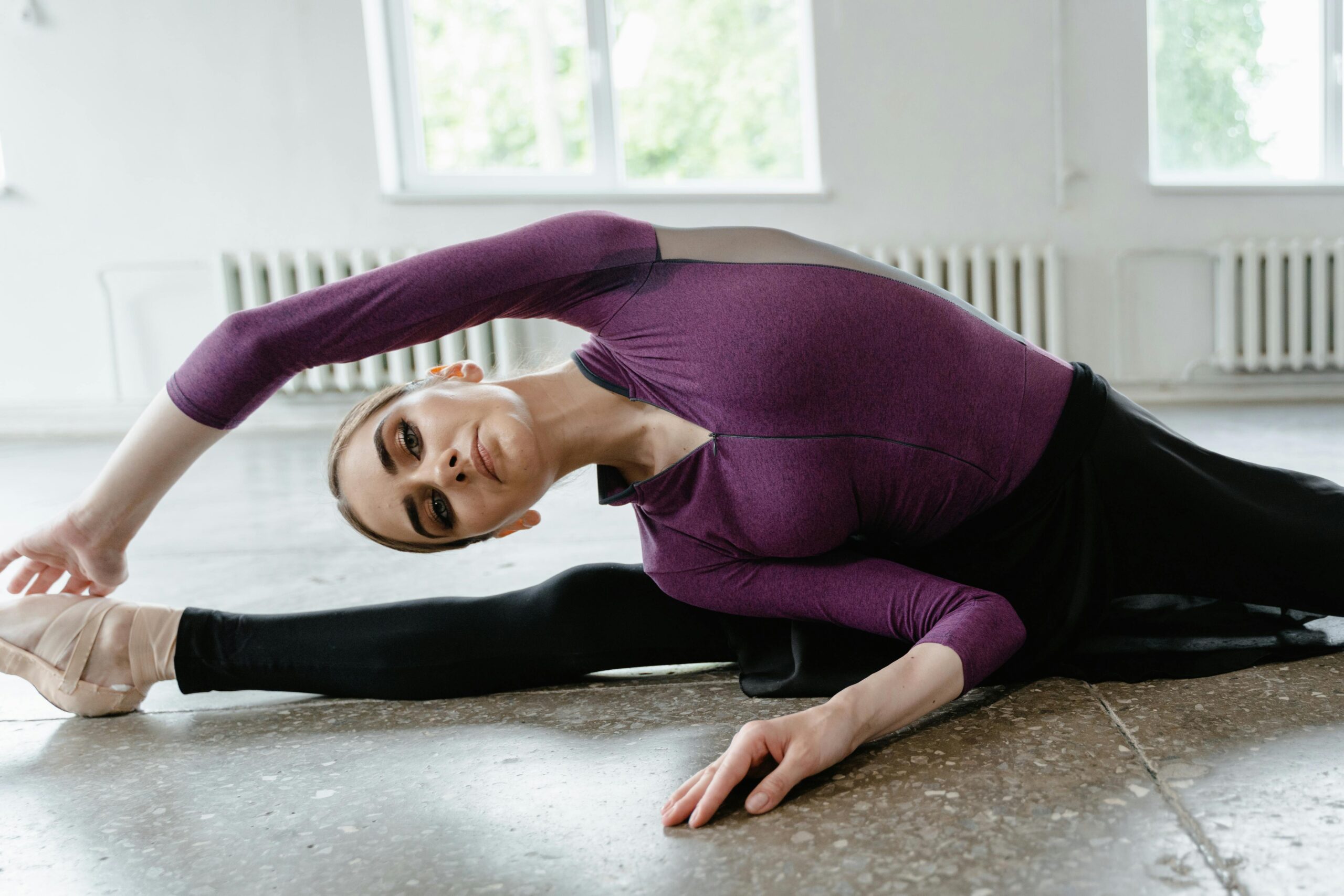
Hang out in the ballet world long enough and you’ll quickly realise that stretching is one of the most talked-about, obsessed-over topics among dancers. And for good reason. The way we stretch can make a huge amount of difference in how our bodies work, how resilient we are to injury, and how far we can develop our technique.
But here’s the twist: not all stretching is equal. In fact, when it comes to “dynamic vs static stretching”, dancers always ask, which one is actually better for ballet? Let’s dive in.
What is the difference between static and dynamic stretching?
We’re asked this a lot: “what’s the difference between dynamic and static stretching?” It seems complicated, but it’s actually very simple.
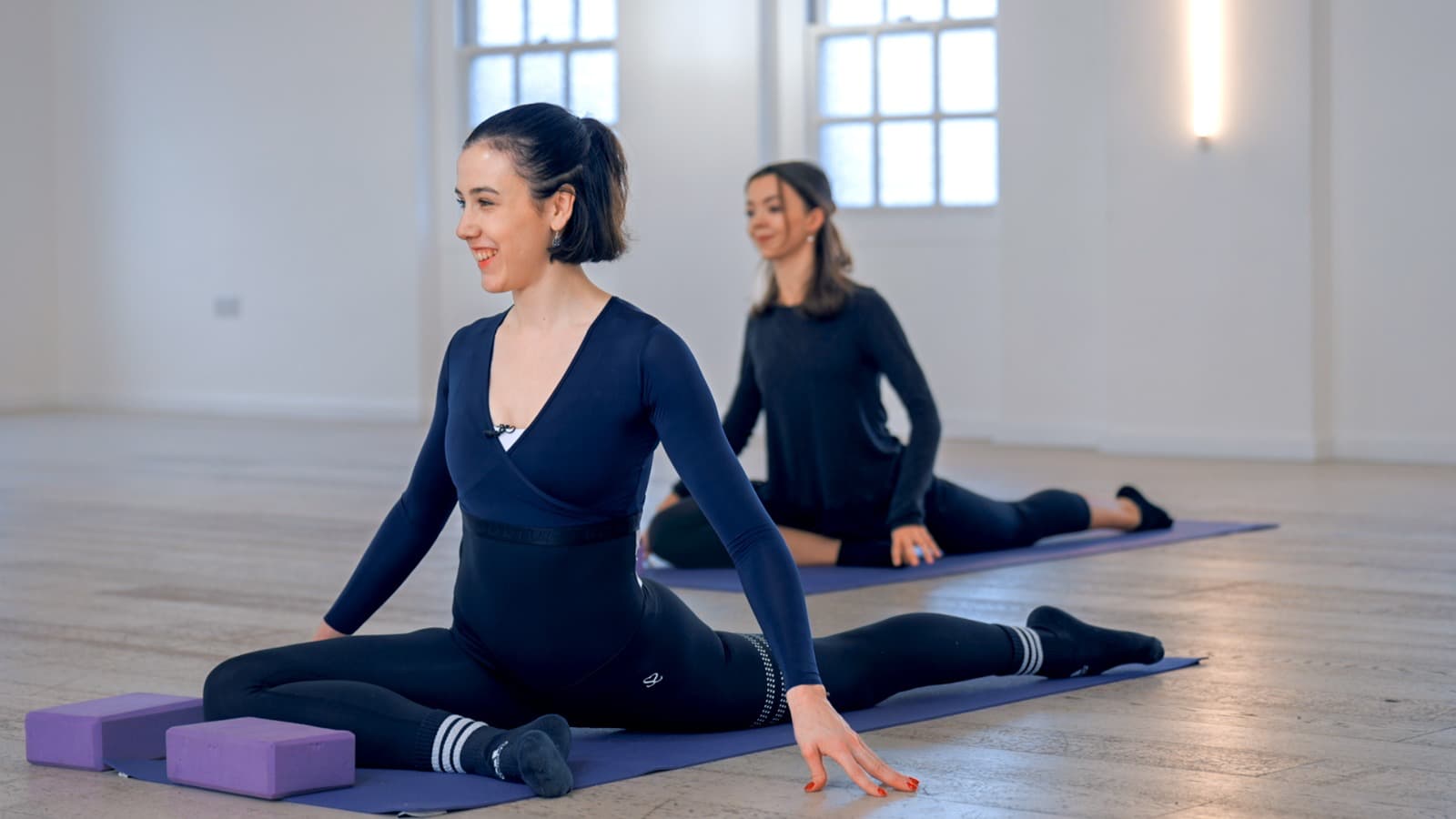
Static stretching involves holding the stretch for some duration (usually 15 to 30 seconds). Think about those old familiar stretches we’ve all learned, reaching down and touching your toes, doing the splits, or reaching back and grabbing your foot to stretch your quad.
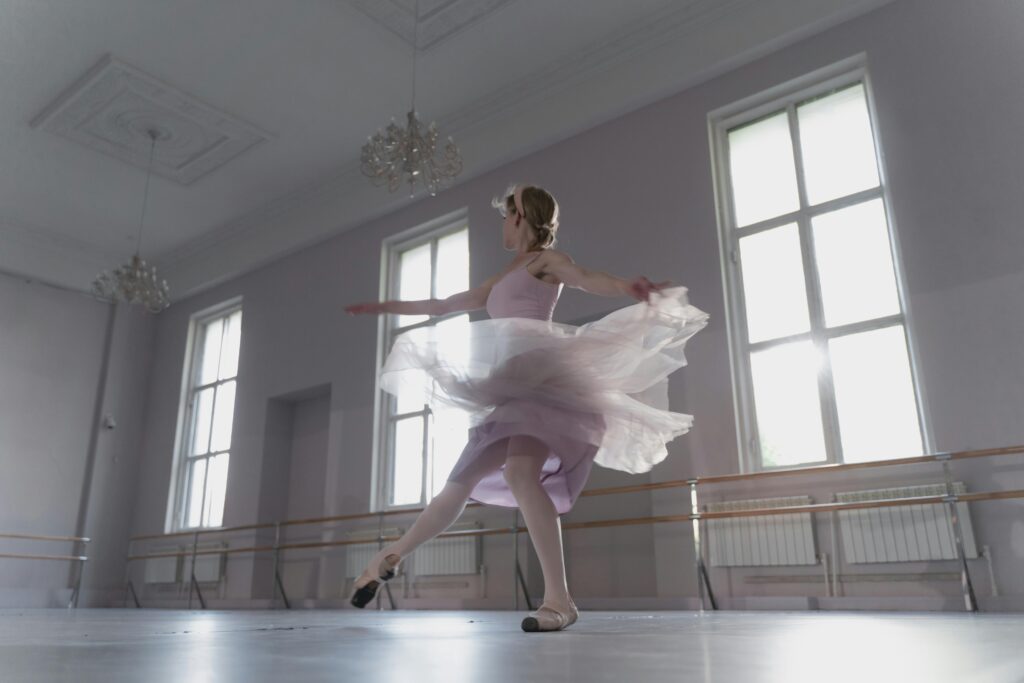
Dynamic stretching involves movement. These stretches are active and often mimic the moves you’ll be doing in your dance routine. Think of battements, controlled leg swings, or lunges with movement. So, one is about stillness and deep muscle extension. The other is about movement, control, and preparing your body for action.
Static stretching: Flexibility’s best friend
Static stretching is the old faithful of flexibility training. It’s the kind of stretching most of us first learnt in school or our early ballet classes. The big benefit? It allows you to slowly increase your flexibility over time. This is why it works:
- It encourages increased flexibility. Holding stretches helps elongate muscles and expand your range of motion.
- It promotes muscle relaxation. After a tough rehearsal or class, static stretching helps calm your nervous system and ease muscle tension.
- Think about alignment awareness. Holding positions makes you more aware of your body’s alignment, which is gold for technique.
It’s also great as part of your cooldown to help reduce soreness and aid recovery. Plus, adding in resistance bands during static stretching can give you that extra challenge to build strength along with flexibility. (For more technique and recovery tips, check out our Tips page)
Dynamic stretching dance: The warm-up game changer
On the flip side, dynamic stretching is what your body craves before you start dancing.
Instead of holding a position, you move in and out of stretches using controlled, intentional movement. These aren’t just wild kicks or flails (please don’t do that). They’re movements are like leg swings, walking lunges with rotation, relevés on a step, and arm circles or shoulder rolls. This is why they work:
- It warms up the body and boosts circulation, gets your heart rate up, and prepares your muscles for action.
- It improves your range of motion, but in a way that directly translates to movement.
- It prepares the nervous system and gets your brain and body in sync before you launch into grand allegro or centre work.
The takeaway? If you want to prepare your body to dance well, dynamic stretching is a must.
Dynamic and static exercises: Do you really need both?
Here’s where the magic happens and why both work hand in hand. It’s not about choosing one over the other. It’s about using them together. Think of it this way: before class or performance, go for dynamic stretching. It’s the perfect warm-up. After class or during your flexibility training at home, bring in static stretching to cool down and gently push those flexibility boundaries.
That’s the sweet spot. Static stretching helps lengthen and relax muscles, while dynamic stretching wakes everything up and primes you for performance. So, in the “dynamic vs static stretching overview” debate, and which is better for ballet dancers, the answer is, they both win.
Stretch smarter, not harder
If you’re someone who tends to throw in a few rushed toe touches before class and call it a day, it’s time to level up. Start by layering a few simple dynamic stretches into your warm-up routine:
- Forward leg swings (front and back)
- Side lunges with reach
- Arm swings
- Relevés and pliés to warm up calves and ankles
After your session, take your time with some static stretches:
- Hamstring stretches on the floor
- Butterfly position
- Lying back quad stretch
- Gentle spinal twists
And remember, never force it. Especially when it comes to static stretching. You want a deep, steady sensation of stretch, not pain. Trust your body, and give it time.
For more dancer-specific advice, see Isabella’s media & blog section.
But what about injury?
This is the biggie. One of the biggest arguments in favour of dynamic stretching is injury prevention. When your muscles are tight and cold, entering full movement, whatever that may be, a sauté or grand jeté, is risky. Dynamic stretching brings your body alive slowly, getting the blood flowing and warming up your muscles. That gets your tendons, ligaments, and joints in prime working condition to go.
Conversely, static stretching prior to dancing actually diminishes muscle power for a temporary period. That is why it’s most appropriately reserved for post-training. While both stretching styles have their place, dynamic stretches are better suited to pre-activity preparation.
The science bit (But not too boring)
A 2021 review in the Journal of Strength and Conditioning Research noted that:
- Static stretching is great for long-term flexibility gains
- Dynamic stretching can actually boost strength and explosive movement performance right away
So, if you’re heading into a pirouette-heavy class or jumping session? Dynamic is your friend. If you’re working on your splits or hamstring flexibility at home? That’s where static stretching shines.
It’s also worth noting that combining both types of stretching may even help with strength-building. Alternating between dynamic and static exercises trains the muscles to work both when they’re lengthening and when they’re under tension. Which is exactly what ballet demands.
The final arabesque
You don’t have to pick sides in the “dynamic vs static stretching” debate. Like pointe shoes and rosin, they each serve a purpose in your toolkit. The key is to know when to use which. Use dynamic stretching to get your body warm, your mind and body ready for movement. It aids in blood flow, coordination, and injury prevention. Use static stretching to recover and gradually increase flexibility and muscle length.
In short, stretch smart. Warm up dynamically. Cool down statically. And don’t be afraid to mix and match depending on how your body feels that day.
Need help building a pre-class or post-class routine? Reach out via our contact page or check out our guided tips and resources here. Keep stretching, keep dancing, and never stop learning how to take care of your dancing body.